The Challenge
Making pricing decisions without looking at what competitors are doing is risky. You might be charging too low and losing revenue, or pricing too high and losing bookings.
I analyzed two luxury properties (Jakarta and Bali) using STR STAR Report methodology. The goal is to figure out where we're doing well, where we're falling behind, and why.
Methodology
- Scope: 2 years of data (2024-2025), daily granularity
- Properties: Jakarta Business Hotel & Bali Luxury Resort
- Metrics: MPI (Occupancy), ARI (Rate), RGI (Revenue Generation Index)
Jakarta: Business Hotel
1. Absolute Performance
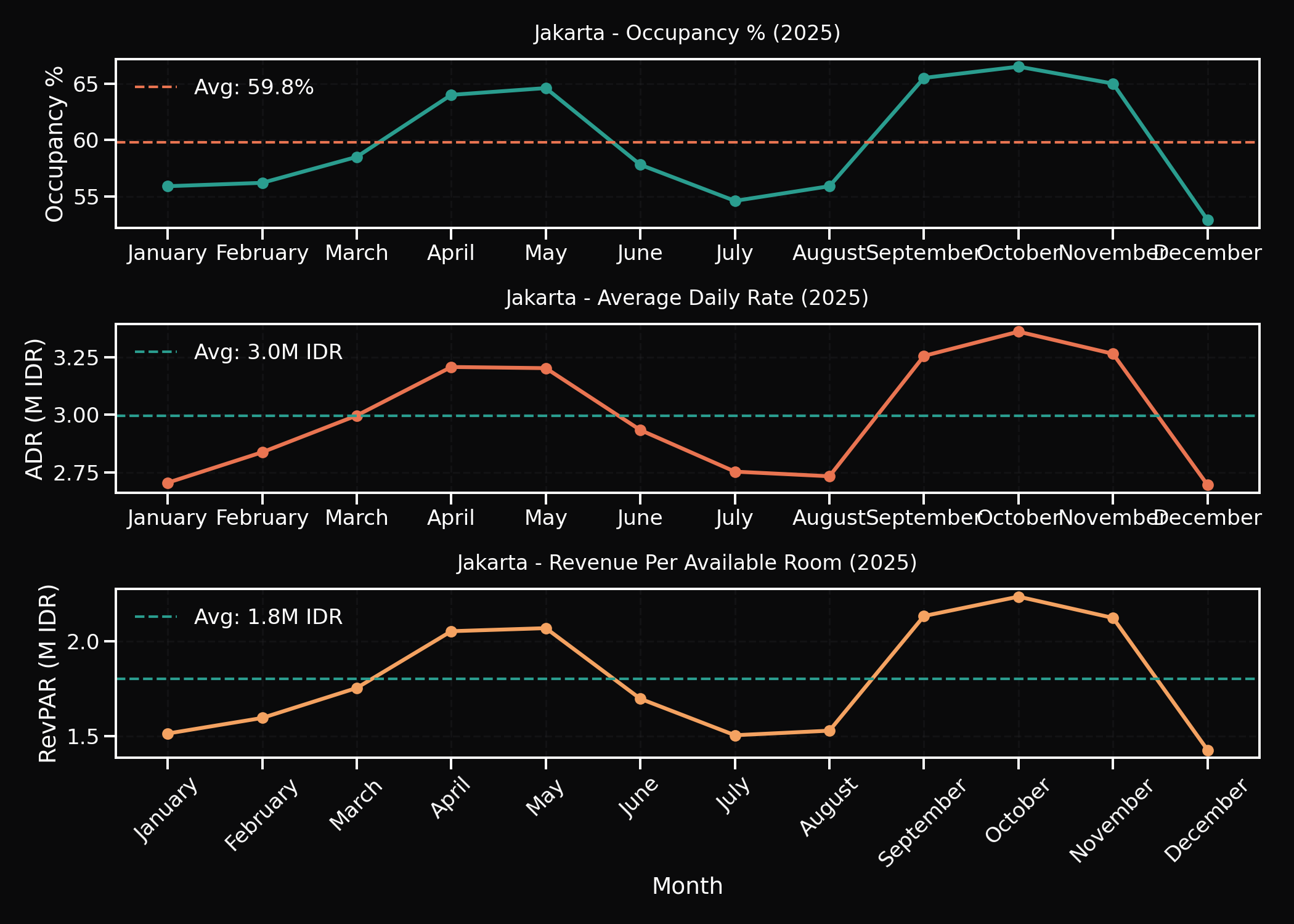 Fig 1: Jakarta occupancy shows corporate seasonality.
2. Competitive Position
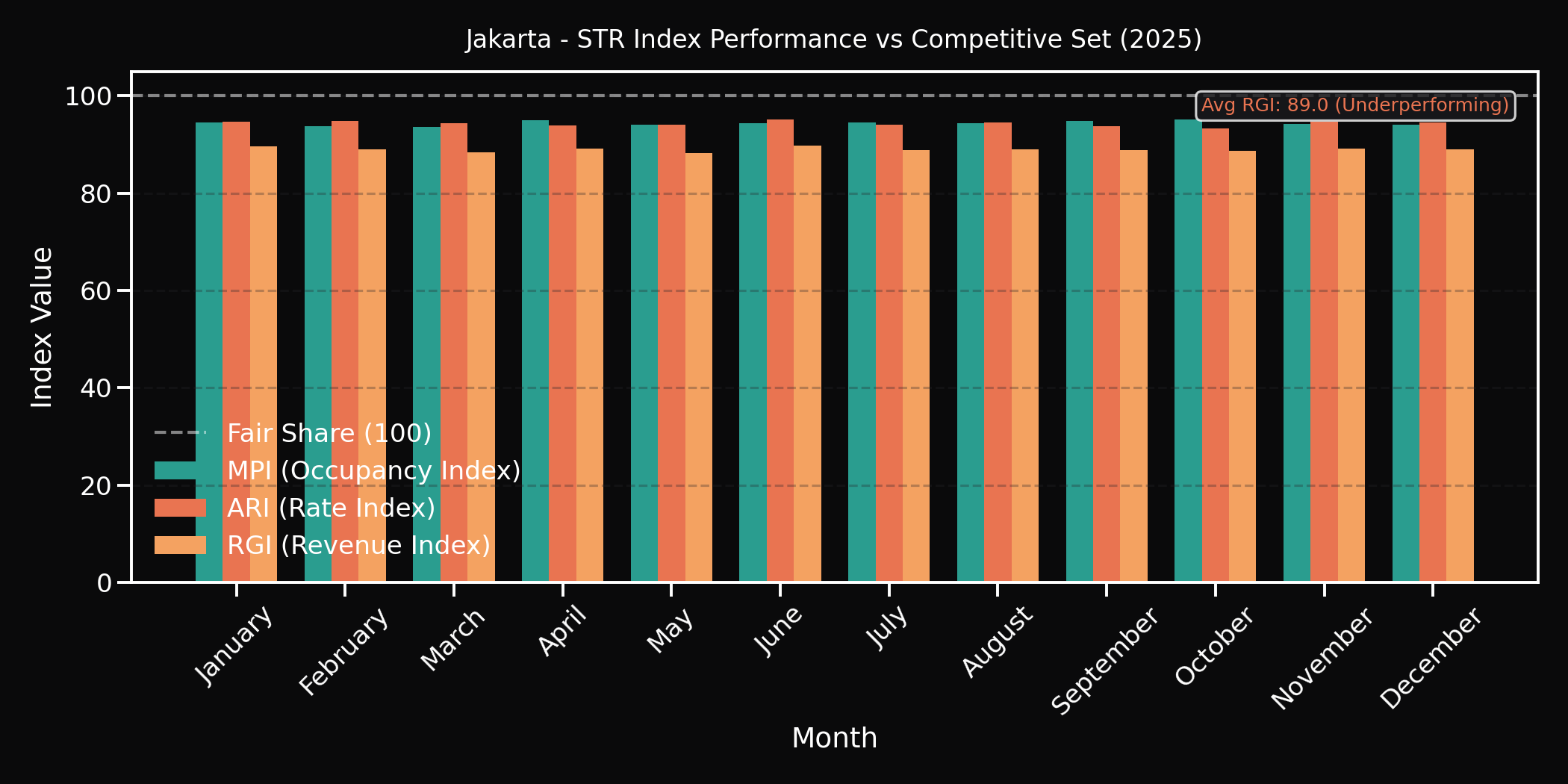 Fig 2: Consistently below fair share (100).
⚠️ Key Problem: Underperformance vs CompSet
Our property generates 11% less revenue than the competitive set. This is mainly a volume problem (MPI 94). We need to drive more room nights.
Day-of-Week Patterns
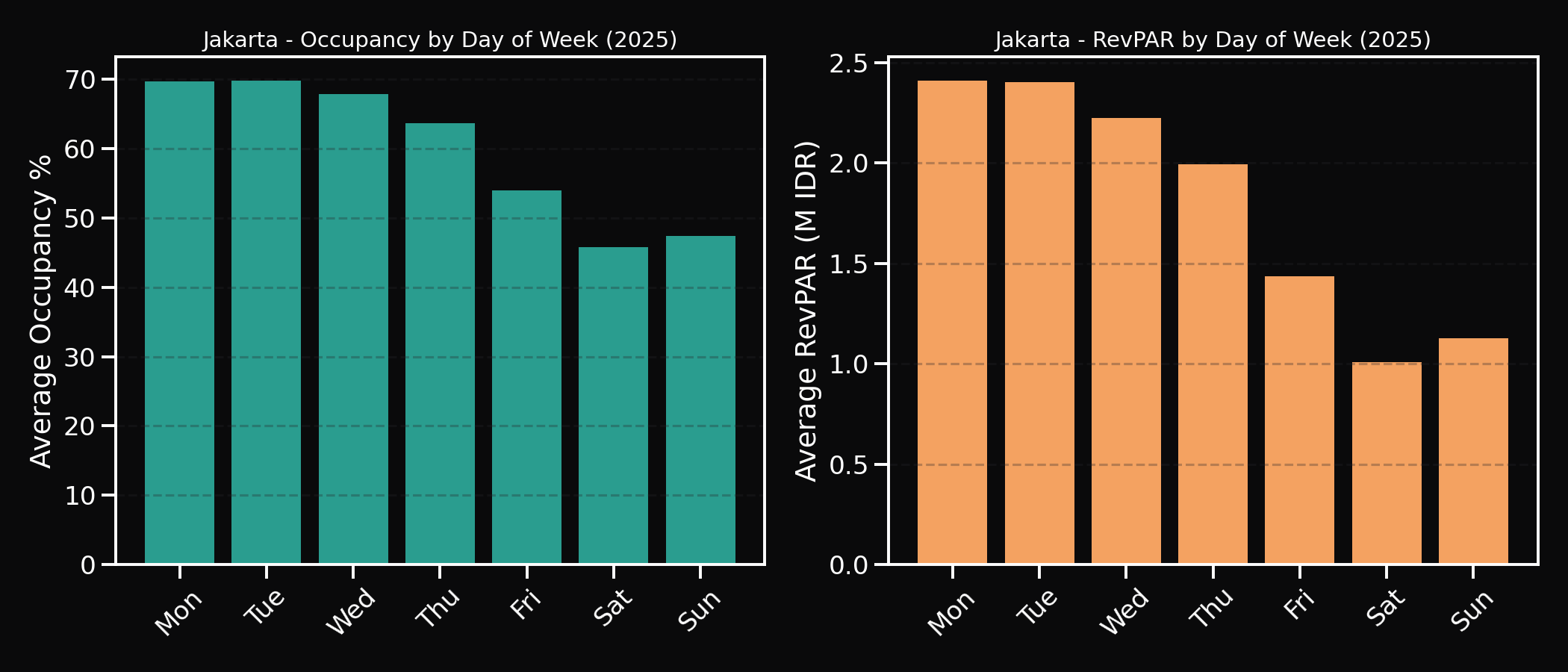 Fig 4: Strong Mon-Thu (corporate), weak weekends.
💡 Recommendation
Weekend Strategy: Launch leisure packages to fill the Fri-Sun gap. Diversification: Reduce reliance on Group business and fight for more Transient shares.
Bali: Luxury Resort
1. Absolute Performance
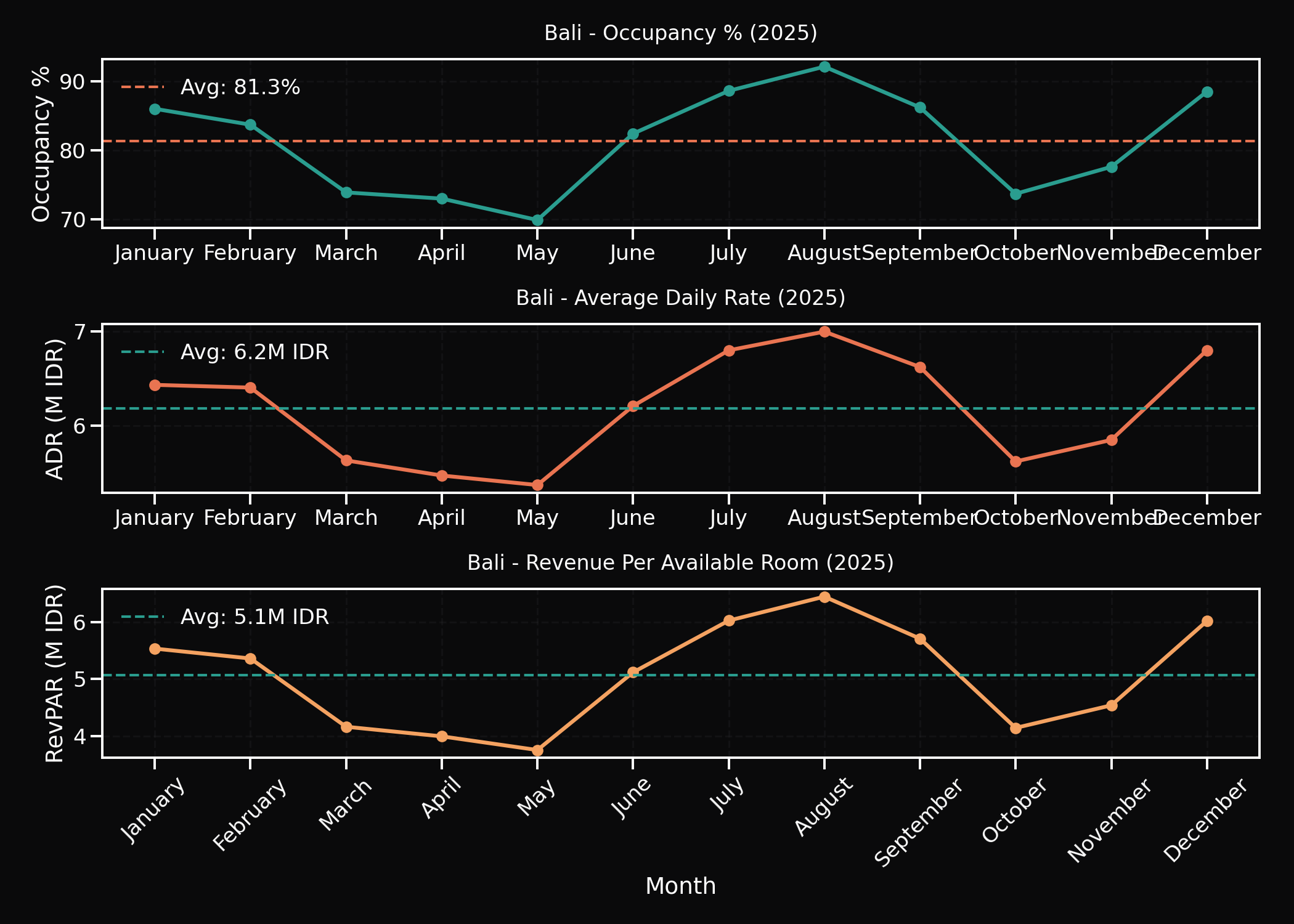 Fig 1: Strong leisure seasonality in Summer.
2. Competitive Position
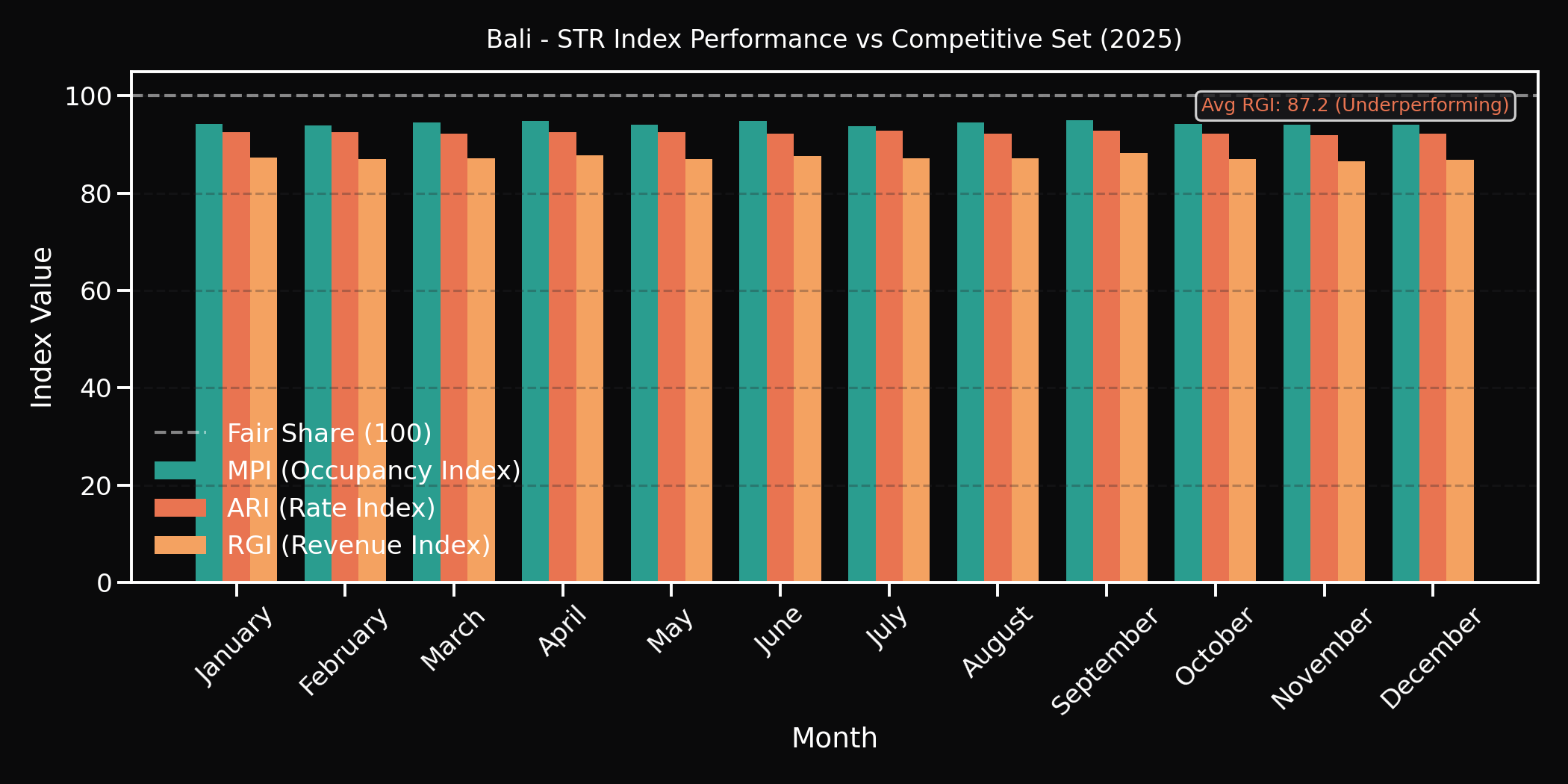 Fig 2: Both rate and volume gaps vs competitors.
⚠️ Key Problem: Rate Confidence
We are pricing too low (ARI 93) while also losing occupancy. This suggests we are under-valuing our product compared to the compset.
💡 Recommendation
Raise Rates: Increase ADR by 5-8% during peak season. We are leaving money on the table. Brand Elevation: Marketing should focus on premium positioning to justify the rate hike.
Conclusion
Looking at just occupancy and ADR, both properties seemed okay. But the STR indices revealed that we are losing market share in both locations.
- Jakarta needs better distribution to fix occupancy.
- Bali needs rate confidence to fix ADR.